English
 Arabic
 French
 Spanish
 Portuguese
 Deutsch
 Turkish
 Dutch
Dutch
 Italiano
 Russian
 Romaian
 Portuguese (Brazil)
 Greek
Greek
Laser Projection Systems Industry: Engineering Precision through Virtual Templating
Other |
2026-03-04 10:52:32
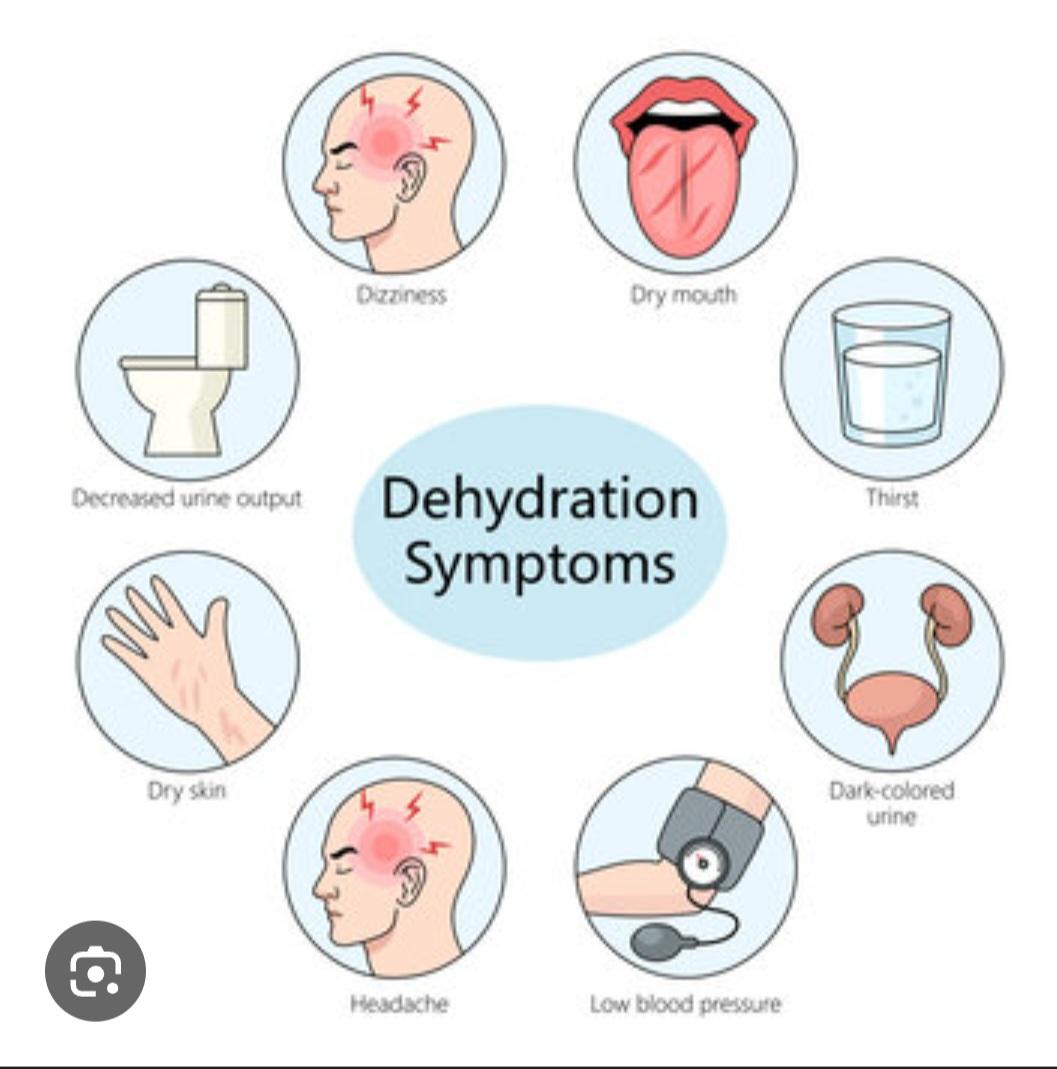
EFFECTS OF DEHYDRATION ON PERSONAL WELL-BEING.
Dehydration occurs when your body loses more fluids than it takes in, leaving it without enough water to carry out normal functions. Dehydration can result from not drinking enough, excessive sweating, vomiting, diarrhea, or certain medications. It ranges from mild (thirst, dry mouth) to severe (confusion, rapid heartbeat, fainting).Water makes up about 60% of the human body,and it's is essential for digestion, temperature regulation, joint lubrication, waste removal, and brain activity, even a small deficit can disrupt these processes,yet many of us walk around in a state of chronic, low-grade dehydration—and wonder why we feel so drained.
The effects on personal well-being are surprisingly profound, touching everything from energy levels to emotional balance.
Even mild dehydration—losing just 1–2% of your body’s water you aren’t just "thirsty"—you are entering a state of physiological crisis that reshapes your mood, your mind, and your long-term health issues that can trigger a cascade of other negative symptoms. The brain, which is roughly 75% water, is the first to suffer. Focus blurs, short-term memory falters, and simple tasks start to feel exhausting. Mild fluid loss can cause brain tissue to shrink slightly away from the skull. This leads to:
Cognitive Decline:
Dehydration acts like a sludge in your engine. Without adequate water, your blood volume drops, forcing your heart to beat faster and work harder to pump oxygen to your muscles.
Your skin, the body’s largest organ, loses its elasticity and "glow," making you look weary and aged. Internally, your digestive system slows to a crawl, leading to discomfort and bloating.
Furthermore, over time, chronic dehydration can contribute to the kidney :your kidneys—the body’s filtration masters—struggle to flush out metabolic waste, which can eventually lead to the excruciating pain of kidney stones or chronic infections,urinary tract infections, and even constipation. Your metabolism slows, and your body struggles to regulate temperature—making you more vulnerable to heat stress.
The way out is simple: drink water consistently throughout the day, not just when your mouth feels dry. Your brain, body, and emotional state all depend on it. Staying hydrated isn’t just about quenching thirst—it’s about showing up as your sharpest, calmest, most energetic self.
Water isn’t just a beverage; it is the fundamental currency of human biology.